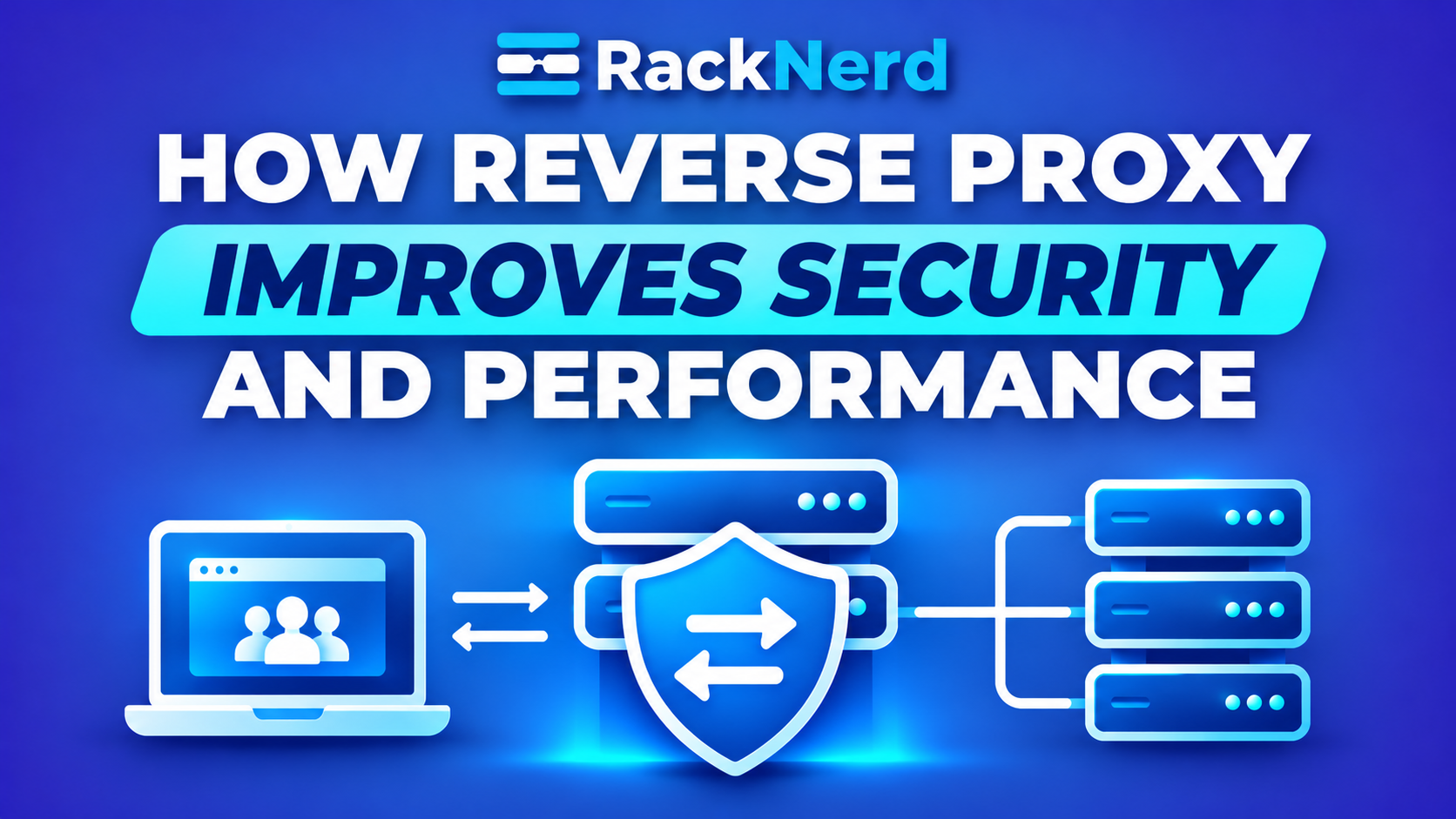
How Reverse Proxies Improve Security and Performance
Discover how reverse proxies improve website security and performance through load balancing, content caching, SSL/TLS offloading, DDoS protection, and traffic management.

Discover how reverse proxies improve website security and performance through load balancing, content caching, SSL/TLS offloading, DDoS protection, and traffic management.
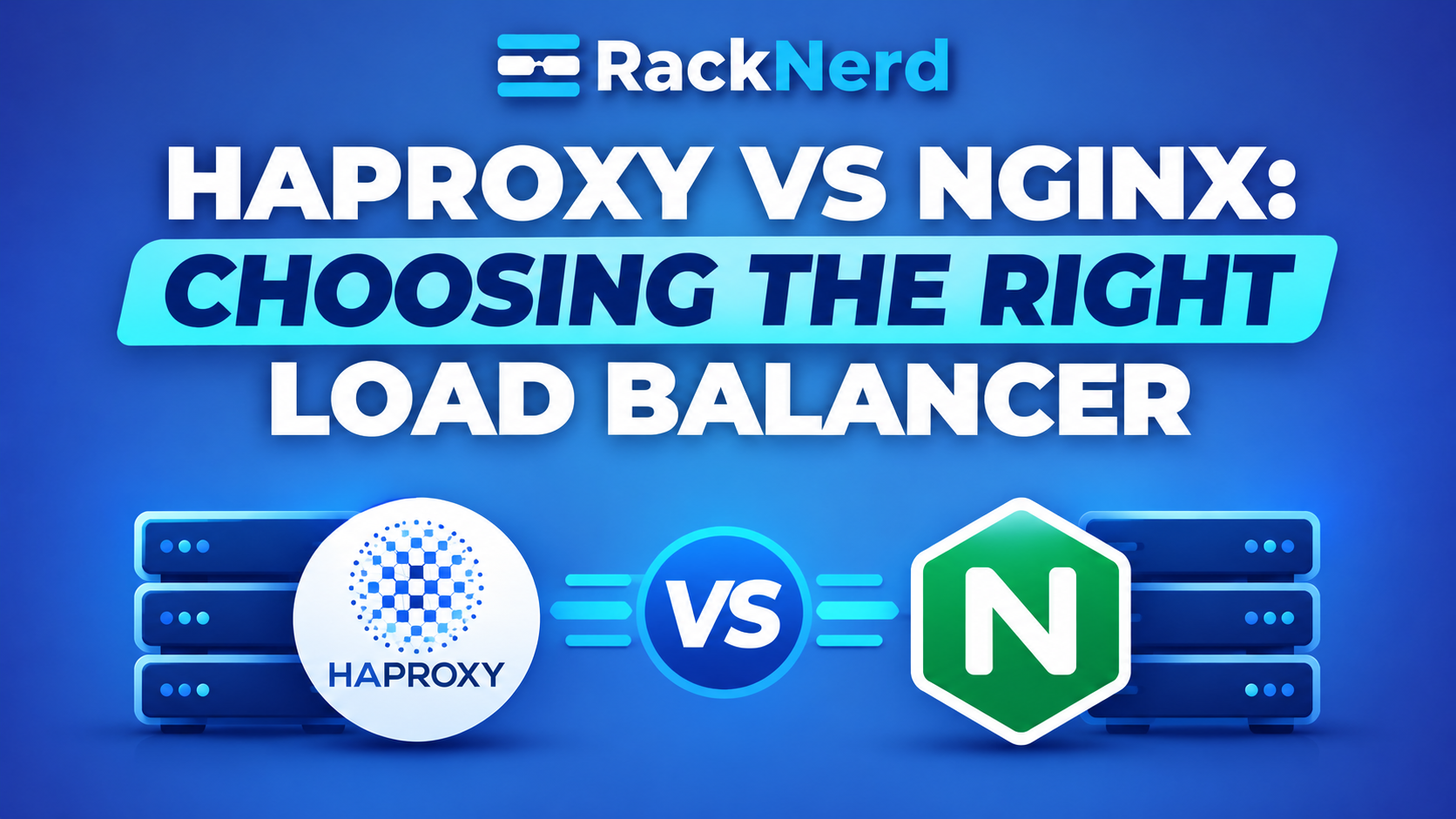
Compare HAProxy vs Nginx to find the right load balancer for your infrastructure. Explore performance, scalability, features, strengths, limitations, and when to use each solution.

When it comes to building web applications, one of the most common debates is whether to stick with plain PHP or use a modern framework like Laravel. Both approaches have their strengths, weaknesses, and ideal use cases. Choosing between them largely depends on the type of project you’re working on, your development team’s experience, and […]

JavaScript development has long relied on package managers to simplify dependency management, project setup, and script execution. For years, npm has been the default choice, powering millions of projects. However, with the rise of Bun, a modern JavaScript runtime that includes its own package manager, developers are asking: which one should you use? 1. What […]

WooCommerce is one of the most popular eCommerce platforms available today, offering flexibility and deep integration with WordPress. However, it isn’t always the perfect solution for every business. Depending on your technical expertise, hosting requirements, and scalability needs, you may find that another platform better suits your online store. In this guide, we’ll explore eight […]

Managing a Virtual Private Server (VPS) can be straightforward if you choose the right control panel. While powerful options like cPanel and Plesk are available, they often come with significant system requirements and licensing fees. Lightweight control panels are the best option for VPS users who have limited resources or want a more efficient solution. […]

When choosing a Virtual Private Server (VPS), one of the key specifications you’ll notice is the number of CPU cores allocated to your plan. But what do these cores actually mean for performance, and how do they affect your hosting experience? Let’s break it down. What is a CPU Core? Think of a CPU core […]
As cyberattacks grow more automated and distributed, traditional server protection tools are being pushed to their limits. For years, Fail2ban has been the go-to solution for blocking malicious IPs. However, newer tools like CrowdSec challenge this approach by introducing collective threat intelligence. Here, we explore how CrowdSec and Fail2ban differ in philosophy, operation and effectiveness. […]
A self-hosted CMS puts you in charge of your website’s performance, customization, and data. But it also places security responsibility squarely on your shoulders. Some platforms are built with strong foundations, yet most breaches don’t happen because of platform weaknesses. They happen because of everyday configuration mistakes that quietly create entry points for attackers. Understanding […]

Web servers are essential parts of the internet’s infrastructure in the digital age. They are essential for delivering webpages, responding to browser requests, and guaranteeing smooth user-application interaction. Because of their openness, flexibility, and community-driven development, open-source web servers have emerged as a key component of this ecosystem. With their unmatched performance, scalability, and innovation, […]


